

Research
Our Venture Grant scientists have achieved remarkable breakthroughs, including the discovery of blood biomarkers to detect transplant rejection and the development of revolutionary methods for controlling immune responses.
Our clinicians, who conduct practice-based projects, are dedicated to addressing the top priorities identified by donor families, living donors, transplant patients and caregivers, covering critical aspects of post-transplant care and innovative organ donation practices. By funding research grounded in patient priorities, the ODTRF actively involves patients and their families in shaping research and healthcare.
Venture Grants
The primary goal of the Organ Donation and Transplant Research Foundation of BC (ODTRF) is to fund innovative research in transplantation and organ donation through our Venture Grant Program.
This annual program provides seed funding to support research that will improve the lives of transplant patients and those who are facing organ failure.
Neurologic Biomarker Guided Prediction of Time to Death Determination in Donation after Circulatory Death Donors
Primary Investigator:Drs. Sonny Thiara and Myp Sekhon
Organ donation can only commence once death has been declared in a potential donor, however, the prediction of how quickly death will occur following removal of life support interventions is unclear.
Patient and Physician Perspectives on Cardio-Kidney-Metabolic therapies in Kidney Transplantation
Principal investigator: Dr. Vikas Srinivasan Sridhar
Kidney transplant recipients (KTR) often face significant health challenges, including heart and kidney problems. New treatments, such as sodium- glucose cotransporter inhibitors (SGLTi), glucagon-like peptide 1 receptor agonists (GLP1RA), and nonsteroidal mineralocorticoid receptor antagonists (nsMRA), have shown promise in improving heart and kidney health.
Characterizing the Physiology of Hepatic Ischemia-Reperfusion Injury in Circulatory Death and Normothermic Regional Perfusion: A Feasibility Study
Primary Investigator: Dr. Daljeet Chahal
The need for liver transplantation to treat severe liver diseases is growing in Canada, yet the number of available donor organs remains insufficient.
Donor livers can come from patients who have suffered brain death, or cardiac death. Donation after cardiac death is a relatively new development.
Research Challenge
The Organ Donation and Transplant Research Foundation of BC (ODTRF) is partnering with Providence Health Care (PHC) and Vancouver Coastal Health Research Institute (VCHRI) to fund solid organ transplant related projects through their Research Challenge programs.
These programs are targeted at Point-of-Care Nursing and Allied Health Staff, and provide $8,000-$10,000 grants to qualified projects.
Exploring the Inpatient Postoperative Experiences of Living Kidney Donors at St. Paul’s Hospital
Primary Investigator: Florence Tsai
Kidney transplantation is a lifesaving and life-changing treatment for people living with end stage kidney disease (ESKD). Living kidney donors are people who voluntarily undergo surgery to donate one kidney to a person living with ESKD. There are a limited number of kidney donations from deceased organ donors, so living kidney donors play an important role in helping people access transplantation.
Team Grant
The Organ Donation and Transplant Research Foundation of BC (ODTRF) is pleased to partner with Providence Health Care Research Institute (PHCRI) and Vancouver Coastal Health Research Institute (VCHRI) to fund two highly ranked Team Grants, one at Vancouver Costal Health and one at Providence Health Care.
Amanda Driver – Retrospective cross-sectional evaluation of clinical and immunologic outcomes in lung transplant recipients between 2014 and 2022
Primary Investigator:Amanda Driver
This project focuses on evaluating a treatment protocol introduced in 2014 for lung transplant patients with immune system reactivity towards donor organs. The number of people awaiting lung transplant exceeds the number of available donor organs, and many individuals face difficulties being matched to donor organs due to immune system reactivity.
ODTRF Clinical Research Grant
In 2015, Astellas Pharma Canada and the Organ Donation and Transplant Research Foundation of BC partnered to create a two-year research funding program – the Astellas/Organ Donation and Transplant Research Foundation of BC Clinical Research Grant Program.
This program was committed to supporting patient-focused, clinical and collaborative research that addresses barriers in the field of organ transplantation, contributing to improving patient care on a national scope.
Enhanced immune monitoring in pediatric kidney transplant recipients
Primary Investigator: Dr. Tom Blydt-Hansen
The project team believes that enhanced graft monitoring, with a new generation of urine and blood tests, would allow a better evaluation of rejection risk. The goal is to first confirm the feasibility of testing these markers in a clinical setting and to obtain critical information on the real-time utilization of the test parameters needed to design a definitive clinical trial.
Biomarkers of Transplant Viability in Marginal Donor Hearts
Principal investigator: Dr. John Boyd
The main objective of this proposal is to identify candidate genes and proteins that can be used as “biomarkers” (measure indicators) to identify when a DCD heart is too injured for transplant and therefore unsafe to use for a recipient.
Expanding Organ Donation in Different Cultural Groups in BC: A Feasibility Study
Principal investigator: Dr. Jagbir Gill
This study will look at ways to improve the process by which South Asian and Chinese families of deceased persons are approached to consent for donation in hospitals.
This study will, for the first time, offer solutions from the people directly involved in donation – the medical staff, organ donation specialists, and the families being approached.
Immunosuppression Reduction and the Risk of De Novo Donor-Specific Antibody Formation After Kidney Transplantation
Principal investigator: Dr. James Lan
The goal of this study is to describe the current pattern of prescribed immunosuppression reduction in the clinic and to understand the impact of this practice on DSA development, which portends poor outcomes.
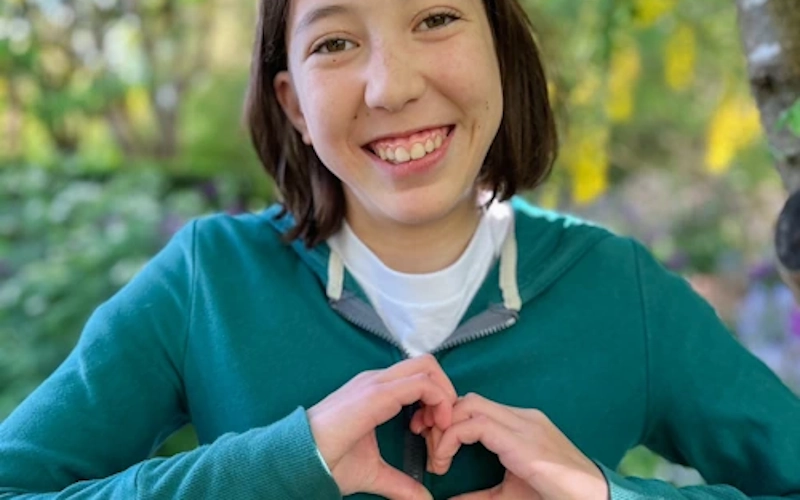
Addison Pediatric Transplant Research Project
In 2013, Elaine Yong and Aaron McArthur launched the Addison Pediatric Transplant Research Project (the Addison Fund) with the express purpose of trying to ensure their daughter, and every other transplant recipient, has an opportunity to live a long, healthy life.
The number of children in B.C. who have received an organ transplant continues to grow exponentially every year as medical advances have made it possible for some of the sickest patients to survive. Now we need more research so they can thrive.
Evaluation of vaccine uptake and associated factors influencing adherence to recommended immunization schedules among pediatric solid organ transplant recipients in BC
Primary Investigator: Dr. Manish Sadarangani
Solid organ transplant is a vital treatment for children with severe illnesses. However, these children require lifelong treatment to suppress the immune system to prevent rejection of the transplant, leaving them vulnerable to infections. Unfortunately, the multiple hospital visits can also disrupt their vaccination schedules, further increasing the risk of infection in these children who need vaccines more than anyone else.
A Prospective study Evaluating COVID-19 Vaccine immunogenicity in Organ Transplant Recipients (the PREVenT-COVID study) – Pediatric Arm extension
Principal investigator: Dr. Hana Mitchell
When the initial results from the COVID-19 vaccines showed they were upwards of 80 per cent effective in preventing serious illness and hospitalization, everyone was optimistic and excited, except for those with underlying medical conditions and their families. No one knew how well vaccines would work to protect people such as transplant recipients who are on immunosuppressant drugs to prevent rejection. There was even less data for children with organ transplants.